Kaziranga National Park: A Jewel of Biodiversity and Conservation
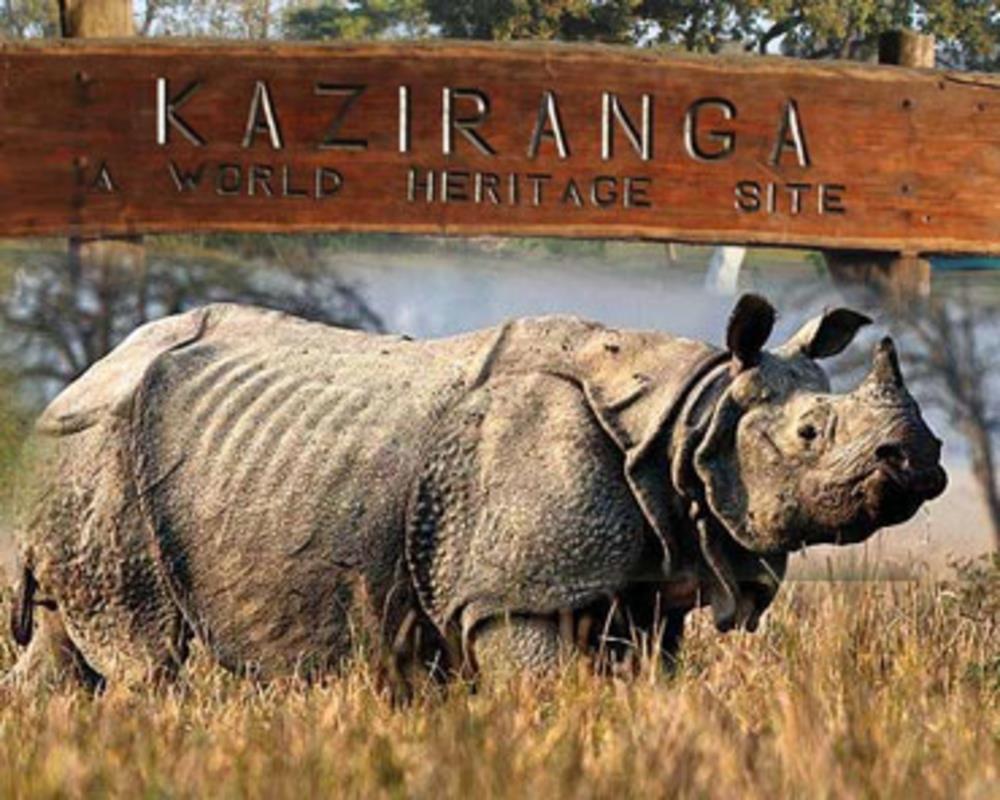
Nestled in the heart of Assam, India, Kaziranga National Park stands as one of the most renowned wildlife sanctuaries in the world. Covering an area of approximately 430 square kilometers, Kaziranga is celebrated for its unique biodiversity, captivating landscapes, and, most notably, its thriving population of the one-horned rhinoceros. Recognized as a UNESCO World Heritage Site since 1985, this park attracts nature enthusiasts, conservationists, and tourists from across the globe, all eager to witness its rich wildlife and contribute to its preservation efforts.
The History of Kaziranga National Park
Kaziranga’s journey to becoming a protected area dates back to the early 20th century. In 1905, Mary Curzon, the wife of Lord Curzon, the then Viceroy of India, visited the region in hopes of spotting a one-horned rhinoceros. Unfortunately, she was unable to find one, leading to her concern for the animal’s dwindling numbers. Determined to protect the species, Lord Curzon initiated efforts to designate Kaziranga as a protected area. In 1908, Kaziranga was officially declared a reserved forest, and over the years, it received various levels of protection, finally achieving National Park status in 1974. Today, Kaziranga stands as a beacon of conservation, playing a crucial role in the survival of several endangered species.
The Rich Biodiversity of Kaziranga
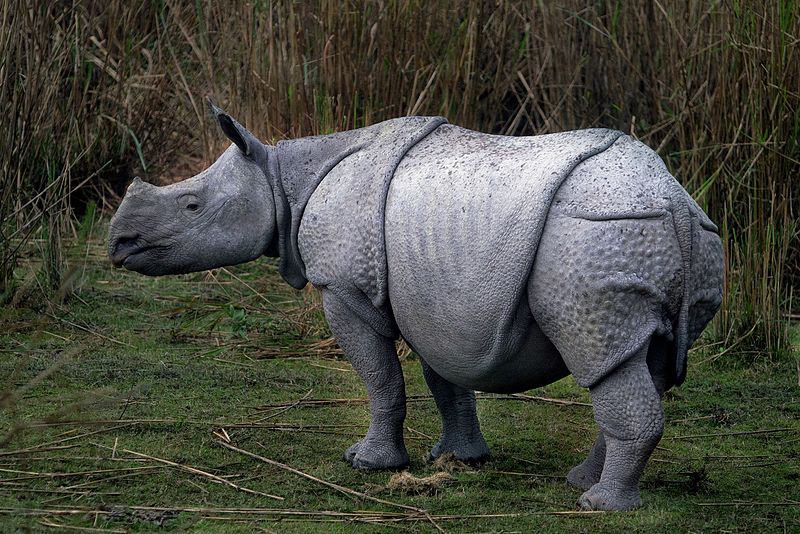
Kaziranga National Park is synonymous with the Indian one-horned rhinoceros, which represents the park’s flagship species. With over 2,400 one-horned rhinos, Kaziranga is home to the largest population of this species in the world. This remarkable conservation success story has helped bring the species back from the brink of extinction, highlighting Kaziranga’s importance in the world of wildlife conservation.
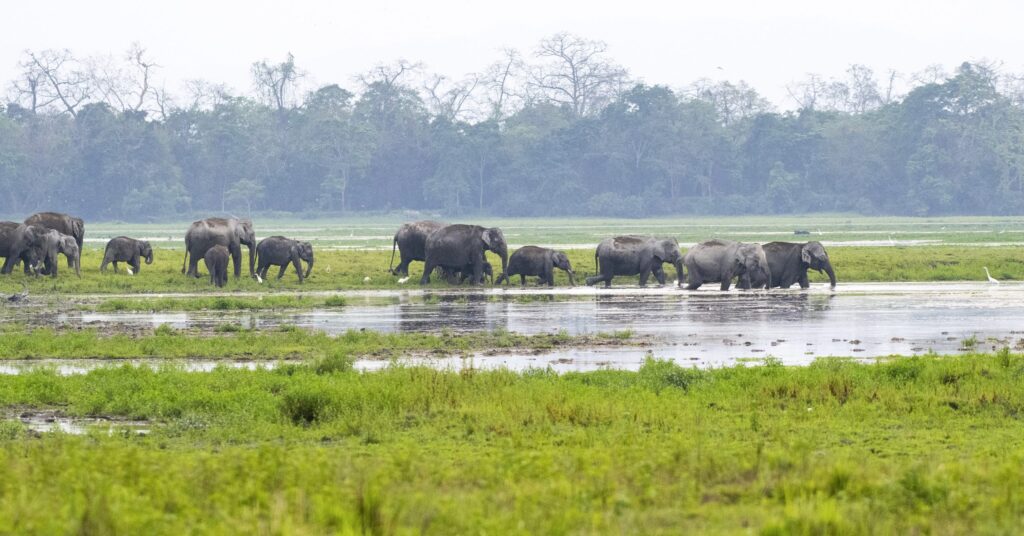
Besides rhinos, Kaziranga supports an impressive range of fauna. It is part of the Eastern Himalayan biodiversity hotspot and boasts high species diversity. Visitors to the park can encounter other majestic animals, including elephants, Bengal tigers, wild water buffalo, swamp deer, and Indian bison (gaur). Kaziranga is also known for its high density of tigers, making it an essential part of India’s Project Tiger initiative. Although spotting a tiger in the dense grasslands can be challenging, it adds an element of mystery and excitement for tourists.
In addition to its mammals, Kaziranga is a paradise for bird watchers, with over 500 species of birds recorded within its boundaries. This includes the great Indian hornbill, various species of vultures, pelicans, eagles, and a wide variety of migratory birds that visit during the winter months. The park’s wetland habitats support a rich population of reptiles and amphibians as well, including the rare Assam roofed turtle and various species of snakes and lizards.
Also Check This – Bhutan
Habitat and Landscape
Kaziranga’s terrain is marked by lush grasslands, marshes, and dense tropical forests. The Brahmaputra River, one of Asia’s major rivers, flows along the northern boundary of the park, creating seasonal floodplains that are crucial for the ecological balance of the region. The annual monsoon floods are both a blessing and a challenge for the park; while they enrich the soil and renew the grasslands, they also pose threats to wildlife. To mitigate this, Kaziranga has raised platforms where animals can take refuge during flood seasons.
The tall elephant grass that dominates the landscape provides excellent cover for the park’s wildlife, making animal spotting both thrilling and challenging. Kaziranga’s distinctive ecosystem of swampy grasslands, riverine forests, and open woodlands makes it one of the most diverse habitats in South Asia, supporting a wide variety of flora and fauna.
Conservation Challenges
Despite its successes, Kaziranga faces several conservation challenges. Poaching remains a constant threat, particularly for the rhinos, whose horns are highly valued in illegal wildlife trade markets. To combat this, park authorities have implemented strict anti-poaching measures, including armed forest guards, surveillance, and awareness programs to educate locals about the importance of conservation.
Kaziranga also faces the impact of climate change. The annual floods, exacerbated by climate variations, have become increasingly unpredictable, threatening wildlife and park infrastructure. Additionally, encroachment from human settlements and agricultural expansion around the park boundaries presents challenges, leading to human-wildlife conflict.
Visiting Kaziranga National Park
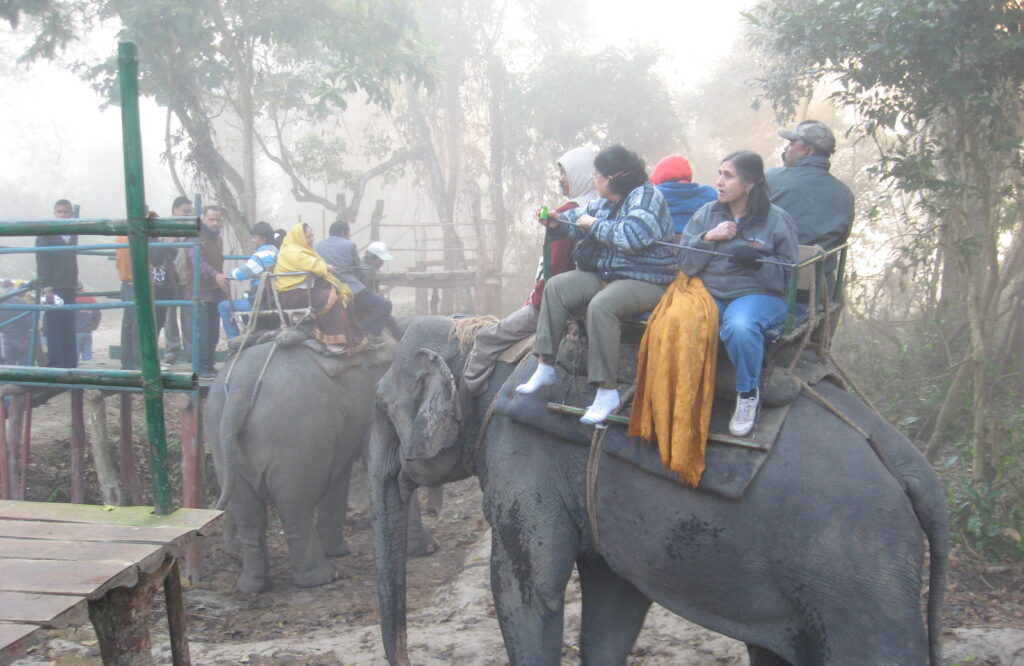
For those interested in experiencing Kaziranga’s wildlife and scenic beauty, the park offers various options for exploration. The best time to visit Kaziranga is between November and April, as the monsoon season typically closes the park from June to September. Safari options include jeep safaris and elephant-back rides, which allow visitors to get closer to the wildlife without disturbing their natural behavior.
The park is divided into four main ranges—Kohora (Central), Bagori (Western), Agaratoli (Eastern), and Burapahar—each offering a unique glimpse into different aspects of Kaziranga’s ecosystem. Each range provides distinct sightings and scenic beauty, with experienced guides available to enrich the safari experience with their knowledge of the park’s flora and fauna.
Conclusion
Kaziranga National Park is much more than a wildlife sanctuary; it’s a symbol of successful conservation efforts and a testament to India’s rich biodiversity. From its humble beginnings to becoming a UNESCO World Heritage Site, Kaziranga exemplifies the importance of preserving natural habitats and protecting endangered species. As visitors explore this park’s mesmerizing landscapes and encounter its iconic wildlife, they become part of a larger conservation story that continues to inspire efforts worldwide.